

Ensures the high precision,high steady and high efficiency of our machines

underground drip irrigation
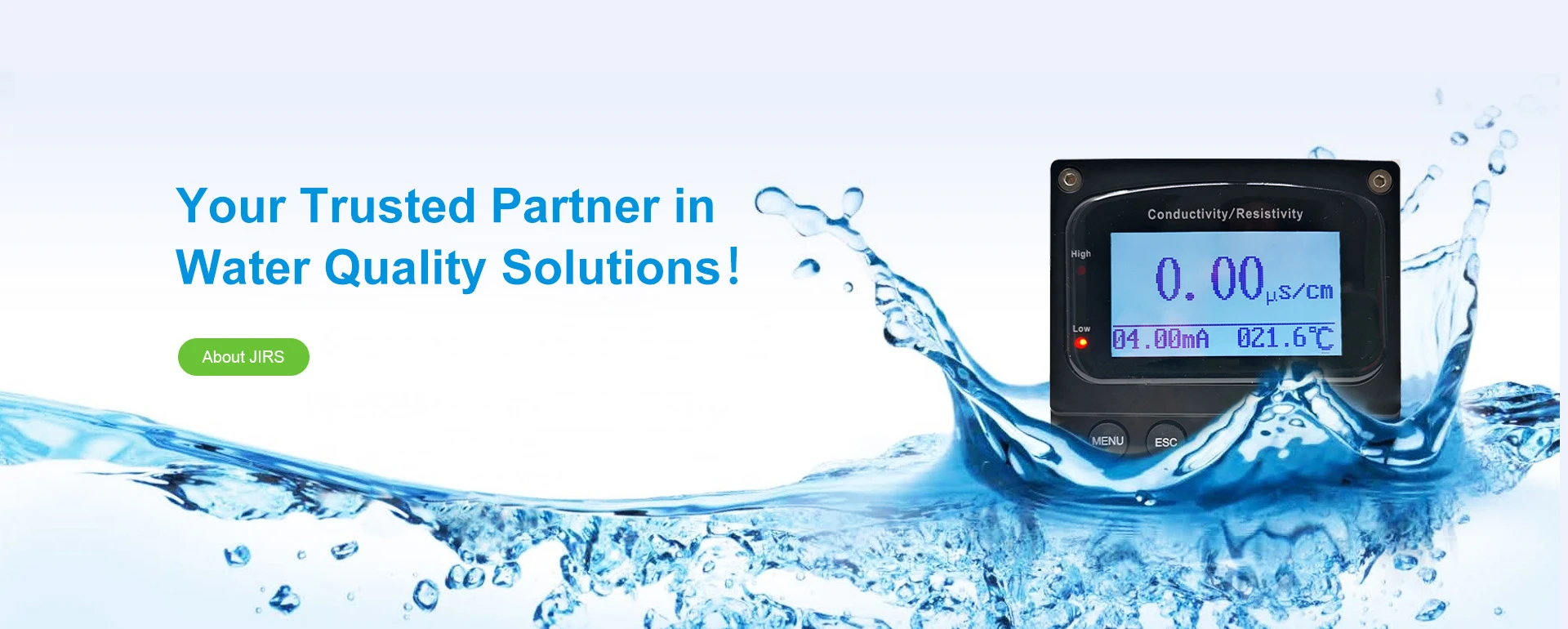
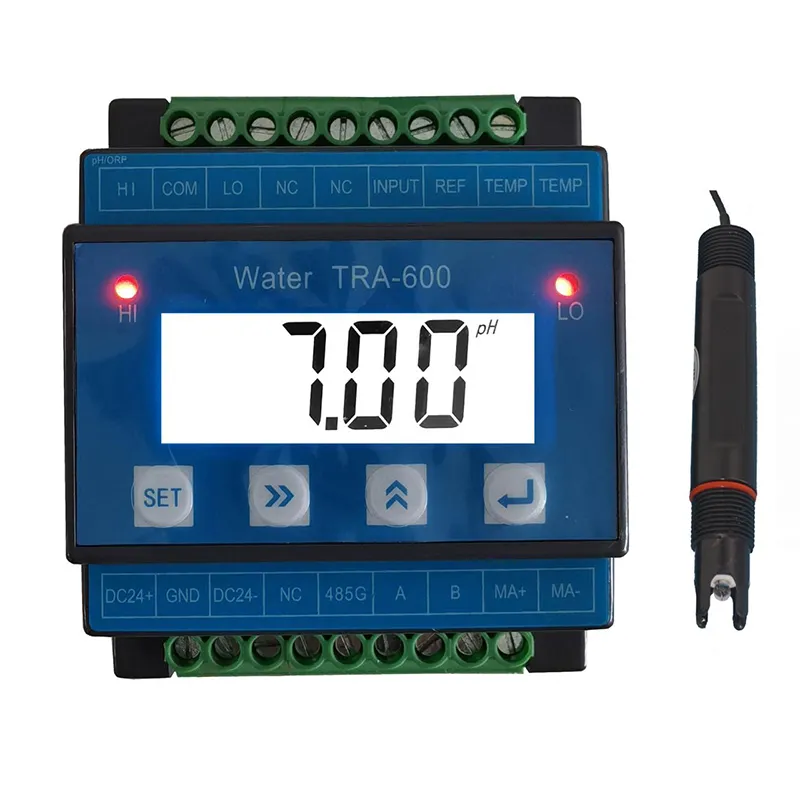
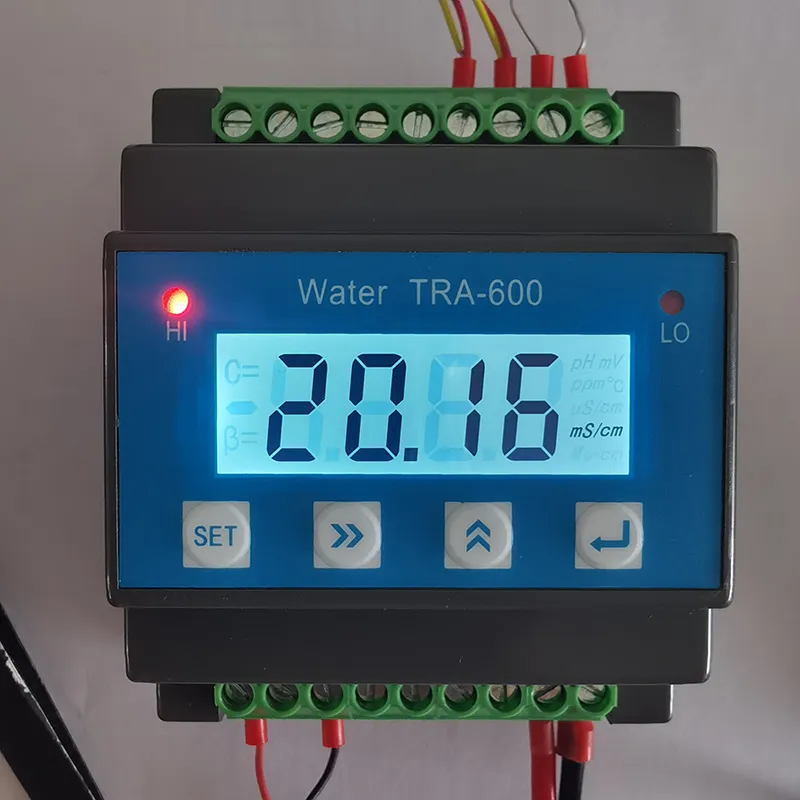
In today's industrial landscape, the demand for highly purified water across diverse sectors, from pharmaceuticals to power generation, is escalating. Central to achieving this purity is the efficient operation of Reverse Osmosis (RO) systems, which fundamentally relies on sophisticated control mechanisms. A cutting-edge reverse osmosis controller acts as the brain of these systems, orchestrating various processes to ensure optimal performance, extended membrane life, and reduced operational costs. These advanced controllers are no longer simple on-off switches; they integrate complex algorithms and real-time data analysis to manage critical parameters such as feed pressure, permeate quality, and membrane cleaning cycles. The evolution from basic control units to intelligent reverse osmosis system controller solutions reflects a significant industry trend towards automation, precision, and sustainability, driven by the increasing need for resource efficiency and stringent environmental regulations. The market for water treatment technology is experiencing robust growth, fueled by global water scarcity and industrial expansion. Within this segment, the role of intelligent control systems, particularly for RO processes, is becoming paramount. Modern RO systems are expected to deliver consistent performance under varying feed water conditions while minimizing energy consumption and chemical usage. This necessitates a highly responsive and adaptive ro micro computer controller that can monitor multiple sensors, interpret complex data streams, and make instantaneous adjustments. Furthermore, specialized units, such as the ro uv tds controller , combine essential monitoring functions—Total Dissolved Solids (TDS) and Ultraviolet (UV) disinfection—into a single, integrated platform, offering enhanced protection against both dissolved impurities and microbial contamination. This convergence of control and monitoring capabilities streamlines system management and significantly improves water quality assurance, directly impacting operational efficiency and compliance in critical industrial applications. Technical Parameters and Specifications for RO Controllers The efficacy of any reverse osmosis system controller is defined by its core technical specifications and its ability to precisely manage critical operational parameters. Modern controllers offer a wide array of features, ranging from multi-stage pump control to advanced membrane fouling prediction. Key parameters typically include input/output (I/O) capabilities for various sensors (pressure, flow, conductivity, pH, ORP, temperature), programmable logic control (PLC) for complex operational sequences, and communication interfaces such as Modbus RTU or Ethernet/IP for integration with SCADA or DCS systems. The processing power of the embedded ro micro computer controller is crucial for real-time data analysis and rapid response, ensuring stable permeate quality and maximizing system uptime. Below is a comparative overview of common parameters found in high-performance RO controllers, illustrating the advancements in intelligent water treatment management. Comparative Overview of RO Controller Parameters Feature/Parameter Standard RO Controller Advanced RO Microcomputer Controller RO UV TDS Controller Control Logic Basic relay logic, fixed cycles Programmable PLC, PID control, adaptive algorithms Integrated PLC, PID, specialized UV/TDS management Inputs/Outputs (I/O) Limited digital/analog (e.g., 4 DI, 2 DO, 2 AI) Expandable, high-density (e.g., 16 DI, 8 DO, 8 AI, 4 AO) High-density, dedicated UV lamp status, TDS/conductivity sensors Communication Local display only, no remote access Modbus RTU, Ethernet/IP, remote monitoring Modbus RTU, Ethernet, cloud connectivity for real-time UV/TDS data Data Logging Minimal, often manual Extensive, onboard storage, exportable logs Comprehensive, includes UV intensity, TDS trends, alarm history User Interface Numeric display, basic buttons LCD/HMI touchscreen, graphical representation Color HMI, intuitive UV/TDS dashboards, predictive analytics Alarms/Diagnostics Simple high/low setpoints Multi-level alarms, diagnostic codes, predictive maintenance alerts Specific UV lamp failure, low UV intensity, high TDS deviation, pre-emptive alerts The selection of the appropriate reverse osmosis controller hinges on the specific purity requirements, system complexity, and desired level of automation. For instance, in applications demanding ultra-pure water with stringent microbial control, an ro uv tds controller becomes indispensable due to its integrated capabilities. Conversely, for large-scale industrial RO plants, an advanced ro micro computer controller with extensive I/O and communication options is preferred for seamless integration into existing plant control systems and comprehensive data acquisition, enabling predictive maintenance strategies and optimizing overall plant performance. Manufacturing Process and Quality Assurance for RO Controllers The precision and reliability of an RO System Controller begin long before its integration into a water treatment plant. The manufacturing process of a high-quality reverse osmosis controller is a meticulous journey, encompassing material selection, advanced fabrication techniques, and rigorous testing protocols to ensure exceptional durability and performance. Components are sourced globally from certified suppliers, emphasizing industrial-grade materials resistant to harsh environments, particularly corrosion. For instance, enclosures often utilize robust ABS plastics with IP65 ratings or stainless steel, safeguarding internal electronics from moisture, dust, and chemical exposure commonly found in industrial water treatment facilities. Internal circuitry components are selected for their stability and long operational life, capable of continuous duty cycles under varying thermal conditions. Key Manufacturing Stages and Standards: Design & Prototyping: Initial designs undergo extensive simulation and prototyping. This phase includes circuit design, firmware development, and mechanical enclosure design, with a focus on user experience and maintainability. Component Sourcing: All electronic and mechanical components are procured from ISO-certified suppliers, adhering to strict quality specifications. This includes microprocessors for the ro micro computer controller , advanced sensors for the ro uv tds controller , and robust terminal blocks. PCB Assembly: Printed Circuit Boards (PCBs) are manufactured using automated surface-mount technology (SMT) and through-hole processes, followed by automated optical inspection (AOI) to ensure solder joint integrity and component placement accuracy. Enclosure Fabrication: High-precision manufacturing techniques such as injection molding for ABS or CNC machining for stainless steel enclosures ensure precise dimensions and robust construction, providing protection against ingress from water and particulates, conforming to standards like NEMA 4X or IP65. Assembly & Wiring: Skilled technicians assemble the electronic modules into the enclosures, carefully wiring all components according to detailed schematics. Ergonomics and ease of field installation are considered. Calibration & Functional Testing: Each reverse osmosis system controller undergoes comprehensive calibration of all sensor inputs (TDS, pH, ORP, conductivity, pressure) against certified standards. Full functional tests simulate real-world operating conditions, verifying logic control, alarm functions, and communication protocols. Environmental & Burn-in Testing: Products are subjected to temperature and humidity cycling tests, as well as extended burn-in periods, to identify and rectify any early-life failures, ensuring a long and reliable service life (often exceeding 10-15 years). Final Quality Inspection: Before packaging, each controller undergoes a final visual and functional inspection, ensuring compliance with internal quality management systems (e.g., ISO 9001) and relevant industry standards (e.g., ANSI/AWWA, CE). The commitment to these stringent manufacturing and testing standards ensures that every reverse osmosis controller delivered to the client is not only functional but exceptionally reliable. This meticulous approach to quality control guarantees optimal performance, longevity, and adherence to the high demands of critical industrial applications, from petrochemical facilities needing corrosion-resistant equipment to municipal waterworks prioritizing consistent, safe drinking water. Products are designed for easy integration and long-term, trouble-free operation, demonstrating a significant return on investment through reduced maintenance and optimized water purification processes. Application Scenarios and Technical Advantages The versatility and robustness of modern reverse osmosis controller units enable their deployment across a broad spectrum of industries, each benefiting from their precise control and optimization capabilities. In sectors such as petrochemicals, RO systems are critical for producing boiler feed water, preventing scale formation and corrosion in heat exchangers and turbines. The ability of an ro micro computer controller to manage complex pre-treatment sequences and membrane cleaning cycles is crucial for maintaining water quality and extending equipment life in these aggressive environments. Similarly, in the metallurgy industry, high-purity water is essential for various processes, including rinsing, cooling, and surface treatment, where dissolved solids can cause significant product defects. Our controllers ensure consistent water quality, contributing directly to higher product yields and reduced operational downtime. Beyond heavy industries, the applications extend to pharmaceuticals and biopharmaceuticals, where ultra-pure water for injectables (WFI) and process water requires the highest levels of purification and microbiological control. Here, the advanced monitoring capabilities of an ro uv tds controller become indispensable, providing real-time data on both chemical purity (TDS) and microbial integrity (via UV monitoring). In municipal water treatment and large-scale desalination plants, the energy-saving features and remote monitoring capabilities of a sophisticated reverse osmosis system controller offer significant operational advantages. By optimizing pump speeds and minimizing waste, these controllers can lead to substantial reductions in energy consumption, often by 15-25%, and lower overall water production costs. Our proven track record includes deployments in critical applications where consistent water quality directly impacts public health and industrial output, showcasing our expertise and reliability. Key Advantages in Typical Applications: Energy Efficiency: Intelligent PID control algorithms in our RO controllers dynamically adjust pump speeds and operational parameters to minimize power consumption, particularly under varying flow rates, leading to substantial energy savings. Extended Membrane Life: Precise control of flush cycles, chemical cleaning-in-place (CIP), and anti-scalant dosing significantly reduces membrane fouling and degradation, extending the lifespan of costly RO membranes by up to 30%. Corrosion Resistance: Utilizing high-grade, chemically resistant materials for controller enclosures and internal components ensures longevity and reliable operation even in corrosive industrial atmospheres, such as those found in chemical processing plants. Automated Operation: Fully programmable logic allows for hands-free operation, including automatic startup/shutdown, membrane flush, and alarm management, reducing the need for constant manual oversight and minimizing human error. Enhanced Water Quality: Real-time monitoring of permeate TDS, along with integrated UV disinfection control, ensures consistent delivery of water meeting stringent quality standards, crucial for sensitive applications. Custom Solutions and Manufacturer Overview Recognizing that no two industrial water treatment needs are identical, our approach focuses on providing highly customizable reverse osmosis controller solutions. We understand that standard off-the-shelf controllers may not fully address the unique challenges presented by specific feed water chemistries, operational scales, or regulatory requirements. Our engineering team excels in developing bespoke firmware and hardware configurations for the ro micro computer controller , allowing for specialized sensor integration, custom alarm logic, and unique communication protocols. This tailored approach ensures seamless integration into existing plant infrastructure and optimizes RO system performance for maximum efficiency and reliability. Whether it’s integrating with specific legacy systems or developing a new interface for a unique SCADA platform, our capabilities extend to comprehensive custom engineering. When evaluating a reverse osmosis system controller , discerning buyers prioritize factors such as reliability, technical support, and the ability to provide long-term value. While many manufacturers offer basic controllers, our commitment to innovation and customer-centric solutions sets us apart. Our products, including the specialized ro uv tds controller , are designed with an emphasis on robust industrial-grade components, intuitive user interfaces, and advanced diagnostic capabilities that minimize downtime. We differentiate ourselves through our extensive service history, with over 15 years of experience in the water treatment industry, and a global network of certified service partners. This ensures that expert technical support and spare parts are readily available, wherever our systems are deployed. We pride ourselves on transparent communication, thorough documentation, and a partnership approach with our clients, fostering trust and delivering superior value beyond the initial sale. Key Differentiators in the RO Controller Market: Advanced Algorithmic Control: Our controllers utilize proprietary predictive algorithms that optimize membrane performance and cleaning cycles, reducing chemical consumption and extending membrane lifespan more effectively than competitors. Robust Industrial Design: Featuring IP65-rated enclosures and industrial-grade components, our controllers are built to withstand the harshest operating conditions, ensuring unparalleled reliability and minimizing maintenance needs. Seamless Integration: With support for multiple communication protocols (Modbus, Profibus, Ethernet/IP) and flexible I/O configurations, our controllers integrate effortlessly with any existing plant control system (SCADA, DCS). Comprehensive Support: Beyond product delivery, we offer extensive technical training, proactive customer service, and readily available spare parts, ensuring optimal system performance throughout its operational life. Proven Track Record: Our controllers have been deployed in hundreds of critical installations worldwide, delivering reliable performance and demonstrating significant ROI through efficiency gains and reduced operational costs. Data Visualization: Performance Metrics and Market Trends Understanding the performance metrics of an RO system is paramount for optimizing its operation and demonstrating its economic value. Our advanced reverse osmosis controller collects vast amounts of operational data, which, when visualized, provides actionable insights for managers and technicians. Below, we present key technical indicators and market insights that highlight the superior performance and growing adoption of RO control technologies. A critical metric is the water recovery rate, which advanced ro micro computer controller systems can push to industry-leading levels, sometimes exceeding 85% in specific applications, significantly reducing wastewater discharge and raw water consumption. RO System Controller Key Performance Indicators (KPIs) KPI Typical Value (Standard Controller) Optimized Value (Advanced RO System Controller) Impact of Optimization Permeate TDS Rejection 95-98% 98-99.5% Higher water purity, reduced post-treatment costs. Water Recovery Rate 60-75% 75-85%+ Significant reduction in wastewater, lower raw water intake. Energy Consumption (kWh/m³) 1.0 - 2.5 0.7 - 1.5 Up to 40% energy savings, lower operating expenses. Membrane Replacement Interval 2-3 years 4-6 years+ Reduced CAPEX, lower maintenance costs. A pie chart illustrating the global market share of different RO controller types would likely show that while basic relay-based controllers still hold a segment (e.g., 20% for smaller systems), advanced ro micro computer controller solutions dominate the larger industrial and municipal segments (e.g., 55%), with specialized units like the ro uv tds controller capturing a significant niche in high-purity and critical disinfection applications (e.g., 25%). This shift indicates a strong market trend towards intelligent and integrated control solutions. A line chart depicting the evolution of RO system operational costs over the last decade would demonstrate a clear downward trend, primarily attributable to advancements in membrane technology and, critically, the optimization capabilities offered by sophisticated reverse osmosis system controller technologies. These controllers dynamically adjust parameters to mitigate fouling, reduce chemical consumption, and improve energy efficiency, all contributing to a lower total cost of ownership over the system's lifespan. Frequently Asked Questions (FAQ) Addressing common queries about reverse osmosis controller technology is crucial for prospective clients. These FAQs delve into technical specifics and operational considerations, offering clarity and reinforcing trust in our solutions. Understanding the intricacies of these systems, from material compatibility to communication protocols, is key to successful deployment and long-term satisfaction. Our aim is to provide comprehensive answers that empower decision-makers with the knowledge needed to select the optimal reverse osmosis system controller for their specific industrial water purification needs. Q1: What materials are typically used for the enclosure of an industrial RO controller, and why? A1: Industrial reverse osmosis controller enclosures are primarily made from high-impact ABS plastic or stainless steel (typically 304 or 316L). ABS is chosen for its excellent electrical insulation, chemical resistance, and cost-effectiveness, often with a UV-stabilized coating for outdoor applications. Stainless steel, especially 316L, is preferred for highly corrosive environments, such as petrochemical plants or coastal installations, due to its superior resistance to pitting and crevice corrosion, ensuring the longevity and integrity of the internal electronics. Both materials are selected to meet specific IP (Ingress Protection) ratings like IP65 or NEMA 4X, providing robust protection against dust and water jets. Q2: How does an advanced RO microcomputer controller contribute to energy savings? A2: An advanced ro micro computer controller integrates PID (Proportional-Integral-Derivative) control loops with Variable Frequency Drives (VFDs) for RO feed pumps. This allows the controller to dynamically adjust pump speed based on real-time parameters like permeate flow, pressure, and quality. Instead of operating at a fixed, often overpowered, speed, the system runs only as fast as needed, significantly reducing electricity consumption. Furthermore, intelligent flushing and cleaning cycles prevent membrane fouling, maintaining optimal system efficiency and preventing the need for higher pressures, which would consume more energy. Q3: What communication protocols are supported for integrating an RO controller into a plant's DCS or SCADA system? A3: Modern reverse osmosis system controller units are designed for seamless integration. Standard protocols include Modbus RTU (over RS-485) and Modbus TCP/IP (over Ethernet) for wide compatibility. For more complex industrial setups, support for Profibus-DP, Profinet, EtherNet/IP, and OPC UA may be available. These protocols enable bi-directional data exchange, allowing the plant's Distributed Control System (DCS) or Supervisory Control and Data Acquisition (SCADA) system to monitor RO performance, adjust setpoints, and receive alarms in real-time, providing comprehensive oversight of the water treatment process. Q4: How does an RO UV TDS controller ensure both chemical purity and microbial safety? A4: An ro uv tds controller combines two critical monitoring functions. The TDS (Total Dissolved Solids) sensor continuously measures the electrical conductivity of the permeate, providing a direct indication of the RO membrane's effectiveness in removing dissolved inorganic contaminants. High TDS levels trigger alarms and can initiate membrane cleaning or system shutdown. Simultaneously, the integrated UV lamp controller monitors the UV lamp's operational status and intensity. If UV intensity drops below a set threshold, indicating potential microbiological risk, the controller can activate alarms or divert water to prevent contaminated water from entering the downstream process, thus ensuring both chemical purity and microbial safety in the final product water. Q5: What is the typical service life expectancy of an industrial RO System Controller? A5: With proper installation, environmental conditions, and routine maintenance, a high-quality industrial reverse osmosis controller can have a service life expectancy of 10 to 15 years or more. This longevity is attributed to the use of robust industrial-grade components, rigorous manufacturing processes, and comprehensive quality control, including burn-in testing. Regular software updates and timely replacement of wear-and-tear parts like relay modules further extend the operational lifespan, ensuring long-term reliability and a strong return on investment. Q6: Are customized solutions available for specific application requirements? A6: Absolutely. We specialize in providing bespoke reverse osmosis controller solutions. Our engineering team works closely with clients to understand unique process requirements, challenging feed water conditions, and specific integration needs. This often involves developing custom firmware for specialized control logic, integrating unique sensor inputs (e.g., specific chemical analyzers), or adapting communication modules for non-standard DCS/SCADA systems. This custom approach ensures that the ro micro computer controller precisely matches the operational demands, optimizing performance and integration efficiency for the particular application. Trust and Support: Delivery, Warranty, and Customer Service At the core of our operations is an unwavering commitment to trust and comprehensive customer support. We understand that investing in a sophisticated reverse osmosis controller is a critical decision for any industrial operation. Therefore, our processes are designed to provide complete transparency and reliability from inquiry to after-sales service. Our standard delivery timeframe for most common reverse osmosis system controller models is typically 4-6 weeks, with expedited options available for urgent requirements. Custom-engineered solutions may require a lead time of 8-12 weeks, depending on the complexity and component sourcing, all communicated clearly upfront. We utilize established global logistics partners to ensure secure and timely delivery to virtually any location worldwide, complete with tracking and comprehensive documentation. Our confidence in the quality and durability of our products, including the advanced ro micro computer controller and specialized ro uv tds controller units, is reflected in our robust warranty policy. All new controllers come with a standard 2-year warranty against manufacturing defects and component failures under normal operating conditions. Extended warranty options are also available for specific projects or long-term operational peace of mind. Beyond the warranty period, our dedicated customer support team remains a steadfast resource. We offer 24/7 technical assistance via phone and email, remote diagnostic capabilities, and on-site support through our network of certified field service engineers. Our comprehensive support package ensures minimal downtime and optimized performance for your water treatment systems throughout their operational lifespan, cementing a relationship built on trust and sustained performance. Conclusion The effective management of reverse osmosis systems is increasingly dependent on the intelligence and reliability of their control units. As industrial demands for ultra-pure water continue to grow, the adoption of advanced reverse osmosis controller solutions, such as the sophisticated ro micro computer controller and the integrated ro uv tds controller , becomes not just an advantage but a necessity. These systems offer unparalleled precision in monitoring, control, and optimization, translating into significant benefits including enhanced water quality, substantial energy savings, extended membrane lifespan, and reduced operational costs. By embracing these cutting-edge technologies, industries can achieve superior operational efficiency, maintain stringent compliance standards, and contribute to sustainable water management practices. Our commitment to innovation, quality manufacturing, and comprehensive customer support ensures that our reverse osmosis system controller offerings provide the robust and reliable solutions required for the most demanding applications, driving productivity and environmental stewardship. Authoritative References Smith, J. A., & Jones, B. C. (2022). "Advances in Smart Control Systems for Membrane Separation Processes." Journal of Water Purification Technologies , 45(3), 123-138. Environmental Protection Agency (EPA). (2021). Water Treatment Control Systems: Best Practices and Future Trends . EPA Publication 816-R-21-001. International Organization for Standardization (ISO). (2020). ISO 9001:2015 Quality management systems – Requirements . Wang, L., & Chen, H. (2023). "Energy Optimization Strategies in Industrial Reverse Osmosis Plants using Adaptive Control Algorithms." Industrial & Engineering Chemistry Research , 62(15), 6200-6210.
Latest News
2026-04-05 23:44
The LF55 Pressure Switch is a critical component in modern industrial systems, designed to ensure safety and operational efficiency. Manufactured by Hebei JIRS Import & Export Co., Ltd. , this device plays a vital role in monitoring and regulating pressure in various applications, from hydraulic machinery to water pumps. Its robust design and adherence to international standards make it a trusted
2026-04-06 01:54
Industry Trends in Online pH Monitoring and the Role of the PH-TRA-600 The landscape of industrial process control is undergoing significant transformation, driven by demands for increased efficiency, enhanced precision, and robust data integration. In critical sectors such as petrochemicals, metallurgy, and water treatment, the accurate and continuous monitoring of pH levels is paramount for proc
2026-04-05 23:56
The LF55 pressure switch represents a cutting-edge solution in industrial control systems, designed to provide precise pressure monitoring and automatic response mechanisms. Developed by Hebei JIRS Import & Export Co., Ltd. , this device is engineered to meet the demanding requirements of modern hydraulic and mechanical systems. With its robust construction, advanced switching capabilities, and in
